
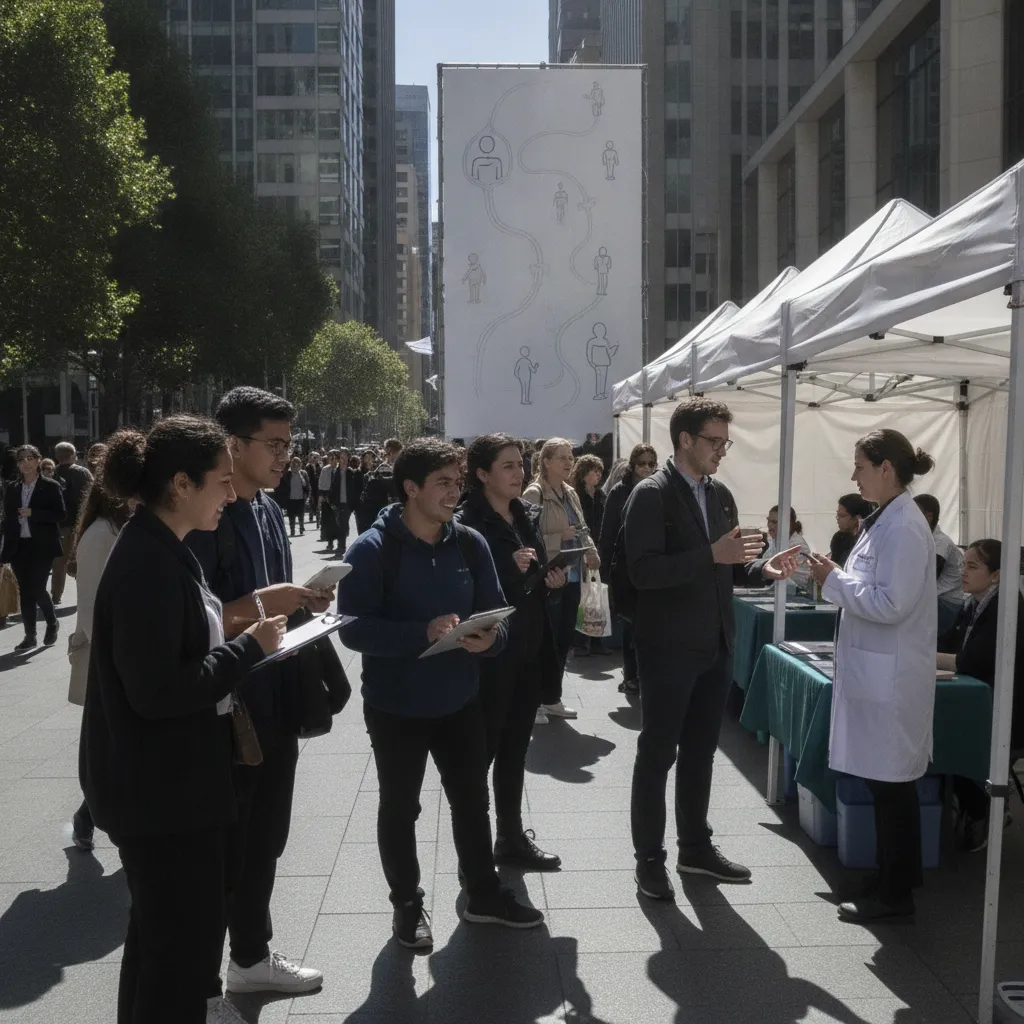
Australia is launching its most ambitious look yet at the health of its younger citizens with the introduction of the 18 and Up study. Led by the non profit Sax Institute, the project aims to recruit 100,000 people between the ages of 18 and 45 to track their wellbeing over several decades. The initiative follows in the footsteps of the massive 45 and Up study, which has already provided groundbreaking insights into dementia and heart disease by following hundreds of thousands of older adults. By inviting the children and grandchildren of previous participants, researchers hope to map out how genetics, family history, and social environments collide to shape a person’s lifelong health trajectory.
A primary driver for this new research is a worrying spike in mental health struggles among young Australians. According to Adjunct Professor Justine Gatt, nearly two in five people aged 16 to 24 have experienced a mental disorder recently, yet science lacks the long term data necessary to explain why these numbers continue to climb. With suicide remaining the leading cause of death for those under 45, researchers believe that moving beyond simple snapshots in time toward a continuous longitudinal study will provide the evidence needed to overhaul prevention efforts and clinical treatments.
Beyond mental wellness, the study intends to tackle a mysterious rise in early onset cancers. Doctors have noted an increase in diagnoses for bowel, thyroid, and breast cancers in patients under 50 globally. While theories range from improved screening techniques to shifting lifestyle habits and environmental risks encountered in youth, definitive answers remain elusive. Participants will share details regarding their backgrounds and daily habits, which will be linked with Medicare records and cancer registries to identify specific triggers for these premature illnesses.
Dr Martin McNamara, CEO of the Sax Institute, emphasizes that this deep dive into personal histories—including education, employment, and living conditions—is essential for redesigning a healthcare system that currently struggles to meet these evolving needs. Funded by a multi million dollar government grant, the study begins recruitment in November. Experts suggest that similar large scale cohorts have historically led some of medicine’s biggest breakthroughs by revealing exactly what populations are exposed to throughout their lives rather than relying on retrospective guesswork.